
(Guest Article) When Your Art Gains Traction: Building Systems That Support Success by Abby Holt
February 10th, 2026 | Posted by Alaiyo
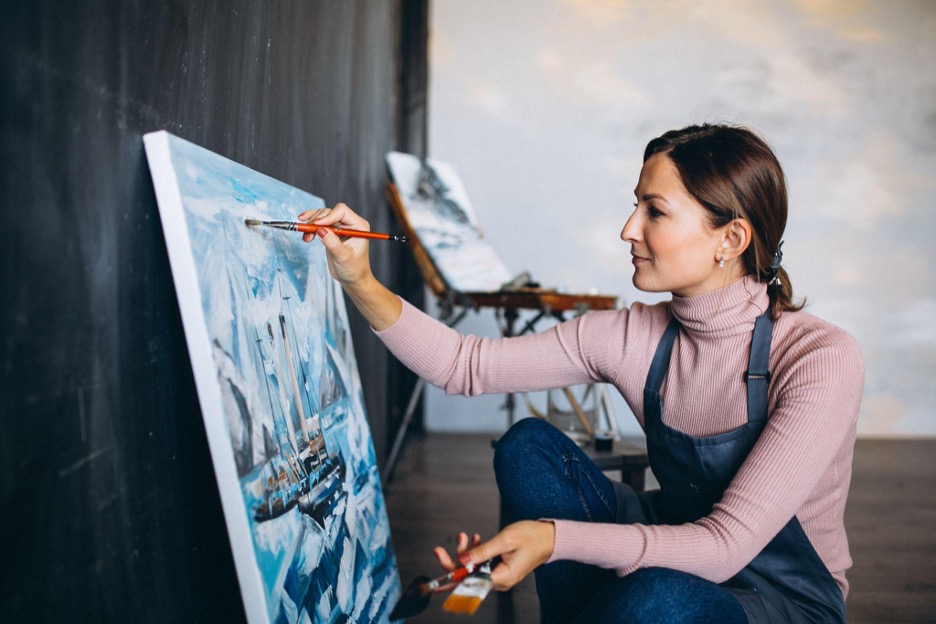
Image: Freepik
When Your Art Gains Traction: Building Systems That Support Success
For artists whose work is starting to attract interest, momentum can feel both exciting and fragile. Attention often arrives before infrastructure, before confidence, before a clear plan. The artists who turn that early visibility into lasting opportunity are usually the ones who decide—sometimes quietly—that their creative practice is also a living business.
Key Takeaways
- A recognizable personal brand makes your work memorable beyond a single piece.
- Professional presentation builds trust with buyers, curators, and collaborators.
- Simple systems prepare you for exhibitions, markets, and sales conversations.
- Treating your practice like a business creates long-term sustainability.
Why Momentum Needs Direction
Recognition alone doesn’t create stability. Without structure, attention dissipates, inquiries stall, and opportunities pass to artists who are simply easier to work with. Treating your art as a growing enterprise isn’t about diluting creativity; it’s about protecting it by building systems that support growth.
Shaping a Personal Brand That Feels Like You
A personal brand isn’t a logo or a color palette—it’s the throughline connecting your work, voice, and values. When people encounter your art online or in person, they should quickly understand what kind of artist you are and why your work exists. This clarity makes it easier for others to talk about you, recommend you, and imagine you in future projects.
Consistency matters more than perfection. Using the same name, tone, and visual style across platforms helps your work feel established, even if you’re still early in your journey. Over time, this coherence turns casual viewers into followers who recognize your work instantly.
Preparing for Exhibitions, Markets, and Opportunities
As attention grows, invitations tend to follow—sometimes with little notice. Being prepared means you can say yes without scrambling or underselling yourself. This preparation reduces stress and allows you to focus on the work itself rather than logistics.
Before opportunities arise, it helps to clarify your pricing logic, inventory, and basic artist information. These details signal reliability, which curators and buyers value as much as originality.
Professional Habits That Support Creative Freedom
Small operational choices often have outsized impact. Answering emails clearly, meeting deadlines, and presenting your work thoughtfully all shape how others experience your practice. These habits don’t constrain creativity; they create space for it by reducing friction.
To make this manageable, focus on a few repeatable actions:
- Document your work as you create it.
- Keep a short, updated artist statement on hand.
- Maintain a simple list of current and past works with sizes and prices.
- Set aside regular time for administrative tasks.
Making Your Work Easier to Share in the Real World
As your visibility grows, in-person encounters become more common—at fairs, openings, pop-ups, or community events. In those moments, conversations are brief, and memory is imperfect. Having clear promotional materials helps your work travel beyond the interaction itself.
A well-designed flyer or handout acts as a bridge between interest and follow-up. It gives people a tangible reminder of your style and a direct path to learn more later. Tools that let you easily design printable flyers using templates make it possible to create cohesive materials without advanced design skills.
Common Growth Paths and What They Require
As artists gain traction, opportunities often fall into patterns. Each path benefits from a slightly different focus.
Below is a simple overview of common directions and what supports them best.
| Opportunity Type | What Matters Most | Why It Helps |
| Art fairs | Clear pricing and presentation | Encourages quick buying decisions |
| Gallery shows | Consistent body of work | Builds curatorial confidence |
| Commissions | Defined process and boundaries | Protects time and expectations |
| Collaborations | Professional communication | Signals reliability to partners |
Getting Your Practice Ready for Real Opportunities
If you’re unsure where to begin, grounding your efforts in a few actions can create momentum:
- Clarify how you describe your work in one paragraph.
- Decide which platforms you will actively maintain.
- Prepare basic promotional materials you can reuse.
- Document inquiries and opportunities as they come in.
- Review what’s working every few months and adjust.
FAQs for Artists
Do I need to register a business to be taken seriously?
In many cases, professionalism matters more than formal structure at the beginning. Clear communication, invoices, and consistency often signal seriousness before legal setup does. Registration can come later, once income becomes regular.
How do I price my work without alienating buyers?
Pricing is less about guessing and more about logic and confidence. Transparent, consistent pricing helps buyers understand value. Over time, your prices can evolve with demand and experience.
What if branding feels restrictive to my creativity?
A thoughtful brand should support, not confine, your work. It acts as a container that helps others understand your practice. Inside that container, creative freedom remains intact.
Is it too early to think about sustainability?
Early attention is often the best time to plan. Small systems built now prevent burnout later. Sustainability grows from habits, not sudden scale.
How do collaborations usually start?
Most collaborations begin with trust. Being organized, responsive, and clear makes others comfortable proposing ideas. Your reputation often opens doors before your portfolio does.
Closing Thoughts
When attention arrives, it’s an invitation—not a guarantee. Artists who respond by building simple, supportive structures give their work room to grow. Treating your practice like a creative business doesn’t make it less artful; it makes it more durable. Over time, that durability is what turns fleeting interest into a lasting career.
1818 Newkirk Avenue #4C
Brooklyn, NY 11226
(917) 733-0469 (917) 733-0469